
AgentCore Gives You a Runtime. TPipe Gives You an Agent.
TPipe-AgentCore is now available: host an ordinary TPipe agent behind Amazon Bedrock AgentCore Runtime with a small, optional integration module.
Practical guides and insights for building deterministic AI agents. Learn about reasoning pipes, optimization techniques, and production best practices.
TPipe-AgentCore is now available: host an ordinary TPipe agent behind Amazon Bedrock AgentCore Runtime with a small, optional integration module.

A 30B model with the TPipe substrate delivers the same classification rate as Claude Opus 4.6 at roughly 1/30th the per-token cost. The model is not getting smarter. The substrate is extracting capability the model already has, by routing every other responsibility to infrastructure. Here is the mechanism, the math, and the interactive comparison.

Encapsulation is the substrate design principle Ten Trillion Triangles TPipe applies. Cells need membranes; agents need substrates. The substrate encloses what orchestration frameworks compose.

The JVM is the production runtime for AI agents — not because it's fashionable, but because it has four properties Python-first frameworks cannot provide. Ten Trillion Triangles TPipe is the substrate that ships those properties as a managed runtime.

How TPipeWriter turns 1,519 lines of Kotlin into a coherent long-arc novel via 19 pipes, a 16-model Bedrock stack, and a substrate that solves the LLM failure modes one at a time.

The lorebook agent is a transformation function on the same pipe that just produced the output. Here is the production code from Autogenesis, TPipeWriter, and TStep at Ten Trillion Triangles showing how TPipe agents update their own memory in the same pipe, in the same coroutine, while the player's turn continues.

Ten Trillion Triangles TPipe ships PumpStation, a runtime agentic harness that drives a judge, dispatch, path, memory, and goal loop over a set of typed PathObjects. Three LLMs in three roles. v3 compaction with cursor-based pre-emption. A kill switch that propagates to every path. Eighteen DITL hooks at every phase boundary. A stash for oversized outputs. The LLM is the controller. The state machine is the substrate. Here is why that distinction matters, what the seven design choices solve, and when to reach for PumpStation over a ReAct loop or a Manifold.

MIT and Apache 2.0 are the hook. The cloud is the lock. We tore down the actual published pricing for LangChain, CrewAI, LlamaIndex, Haystack, Letta, Microsoft Copilot Studio, Google Vertex Agent Engine, OpenAI, AutoGen, Strands, and A2A, then mapped it against Ten Trillion Triangles TPipe's all-included flat-rate model. The math is uglier than the marketing says.
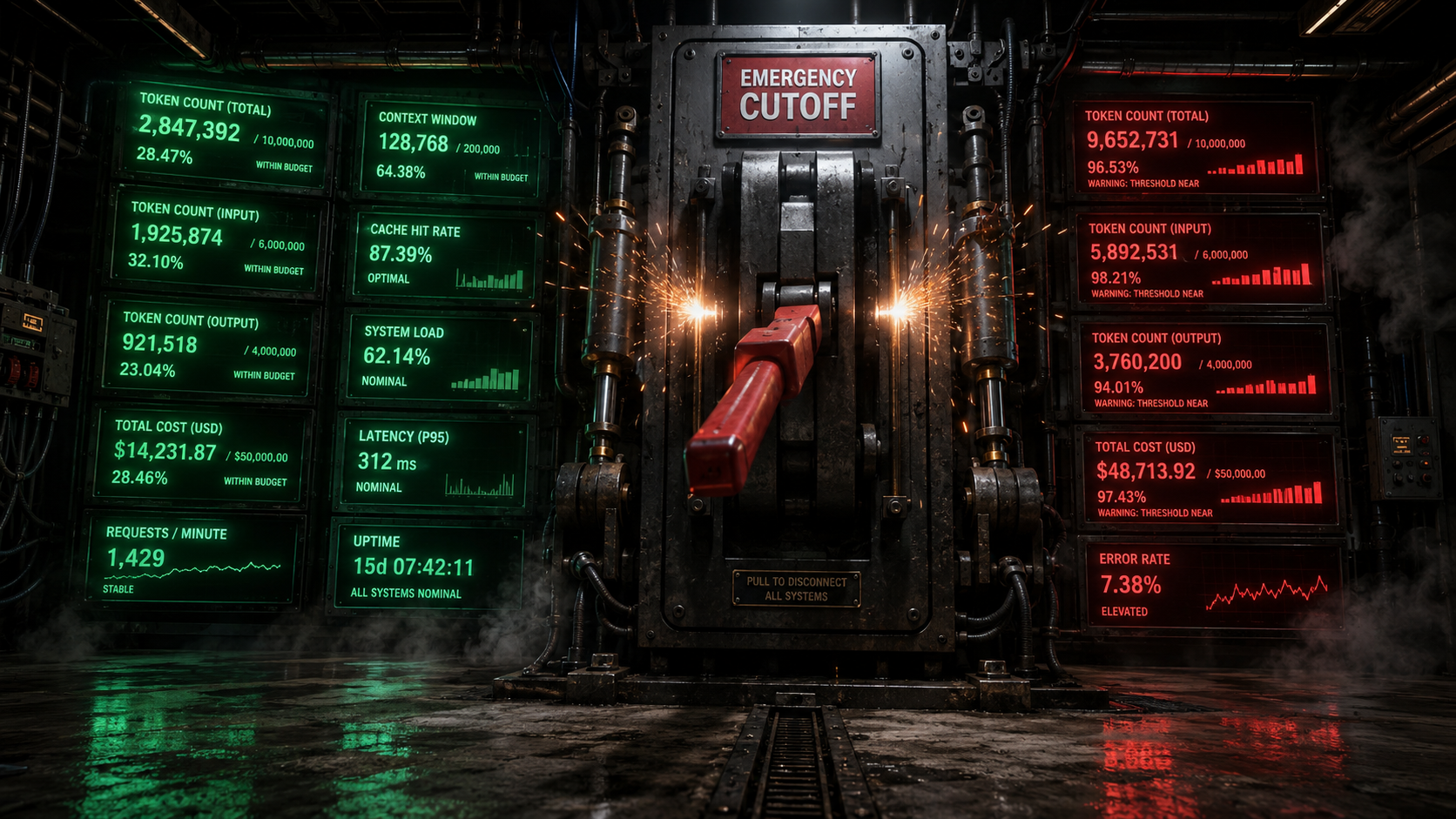
Most frameworks treat runaway cost as an LLM problem. We treated it as a systems problem. Here's the 66-line file, the Kotlin type that enforces termination, and the catch-block that defends the propagation. Plus the story of how we burned a billion tokens building it.
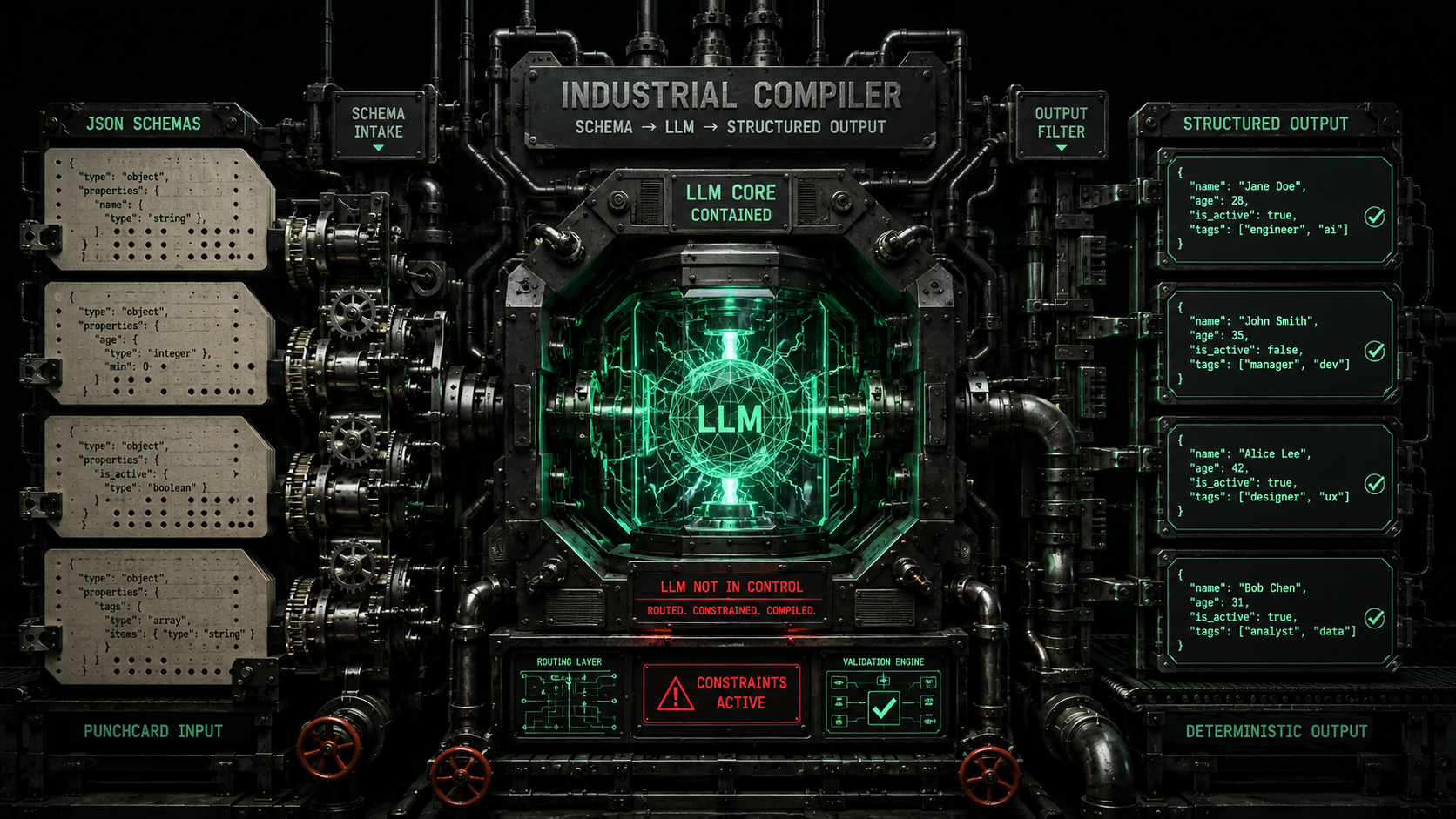
The LLM is a compiler you can't read. TPipe doesn't outsmart it with prompts. It structures the input so the model commits to the right things first. Here's the source code and the boolean that fixes a class of hallucinations across every reasoning method.
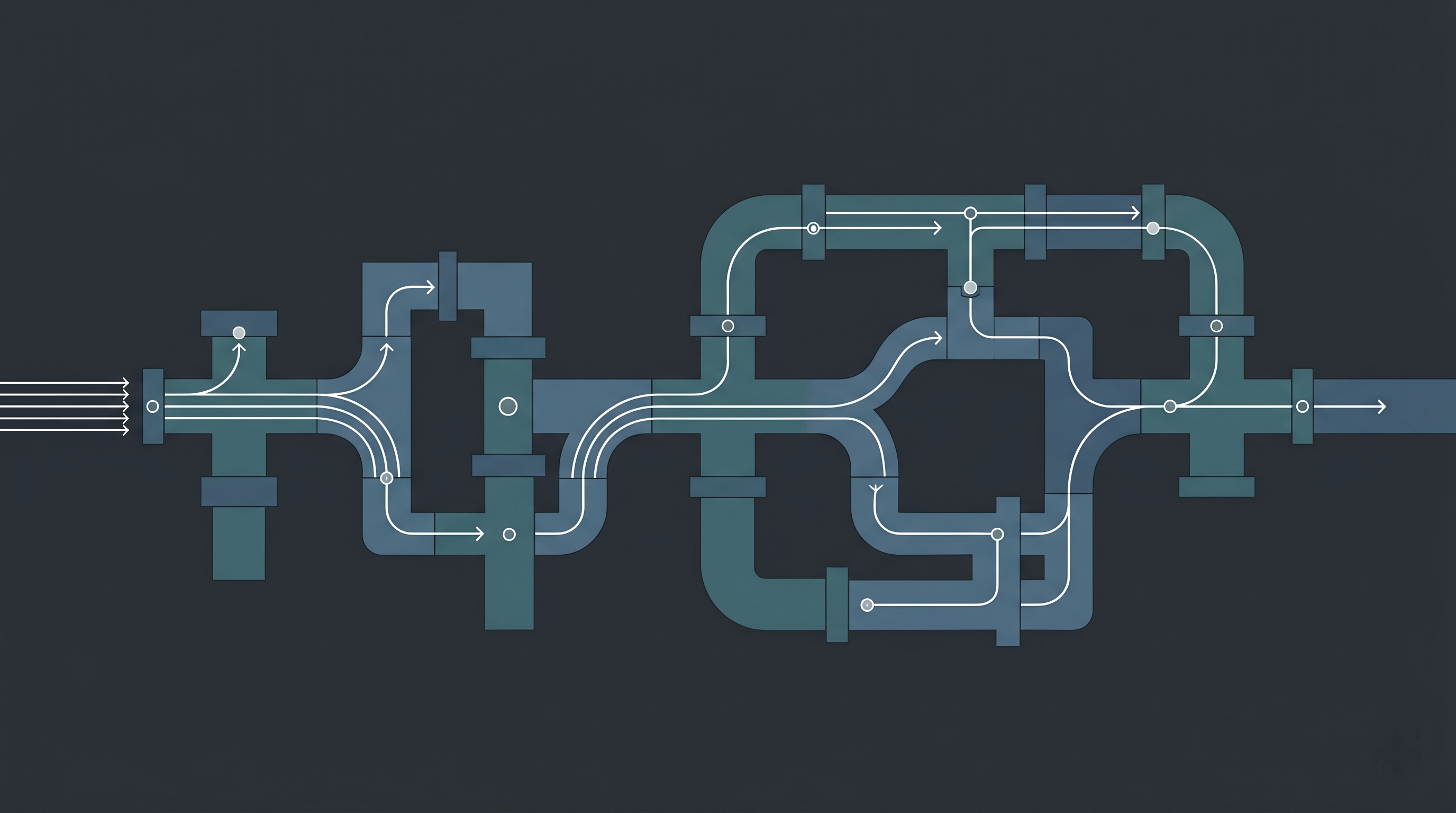
TPipe brings Unix pipe principles to AI agent orchestration. Learn why treating LLMs as prediction engines within state machine tasks produces more reliable, auditable, and cost-controlled systems than the LLM-as-brain paradigm.

If you can see all the steps clearly if you were to do the task yourself, and you'd always solve it the same way, you should be building your agent with the same principles. Ten Trillion Triangles TPipe gives you the smallest primitives to express that.

A small model with a strong substrate can match a frontier model's quality, at 1/30th the per-token cost, on tasks where naive prompting fails. Here is the proof from the Autogenesis production codebase.

Anthropic, LangChain, and LlamaIndex shipped three different definitions of context engineering in 2025. They disagree on the unit. This post compares the canonical sources, identifies the production failure mode the four-strategy framing leaves on the floor, and explains what typed substrate state adds that token-set curation does not.
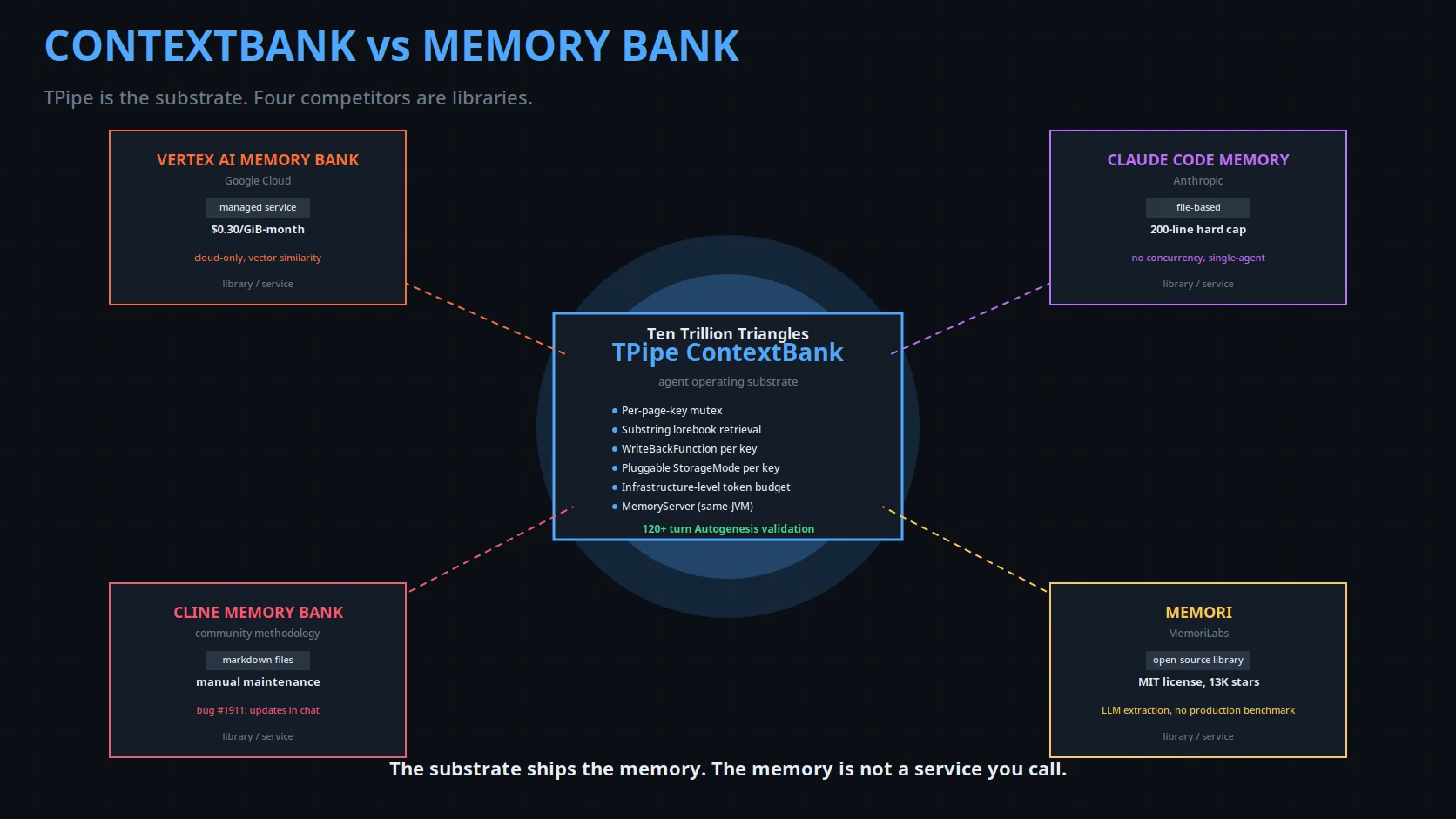
Vertex AI Memory Bank is a Google Cloud managed service. Claude Code Memory is a file-based session extension. Cline Memory Bank is a community methodology. Memori is a library. ContextBank is the memory layer of the Ten Trillion Triangles TPipe agent operating substrate. Four named competitors, four different abstractions, one of them the substrate. Here is the actual code, the actual pricing, the actual bugs, and the architectural fact about why the substrate is the place that decides which retrieval is.

Vector databases retrieve by semantic similarity over embeddings. ContextBank retrieves by weighted lorebook activation across page keys with mutex-guarded writes. They solve different problems. Lumping them together produces agents that retrieve embeddings when they should be reading state. Here is the actual code from Ten Trillion Triangles TPipe, the production scars, and the architectural fact about why the substrate is the place that decides which one a given retrieval is.
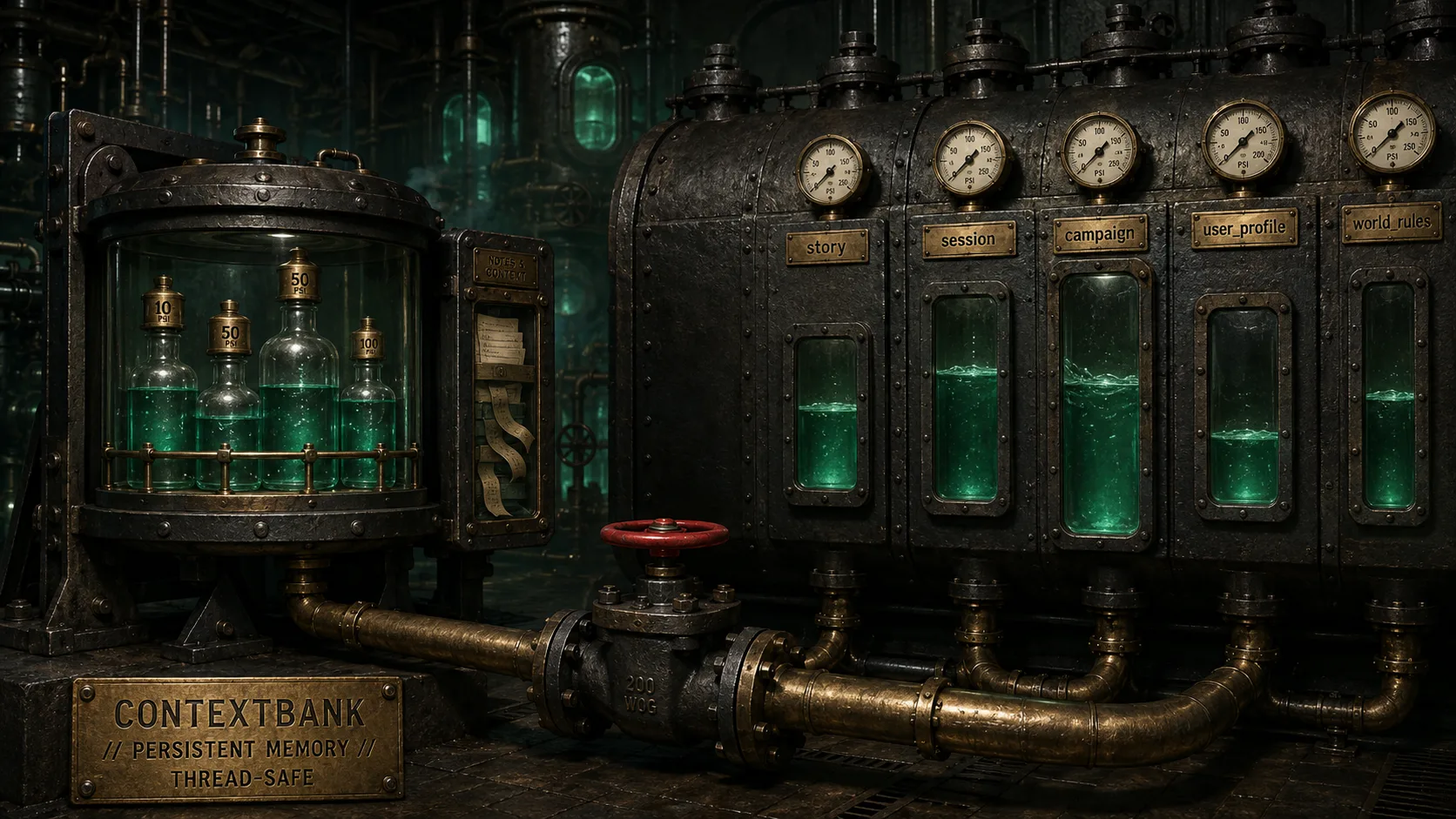
ContextWindow and ContextBank are TPipe's two data structures for memory. Here's the API for both, the production pattern Autogenesis uses to keep its lorebook live, and the foundation for memory agents that update their own state in real time.
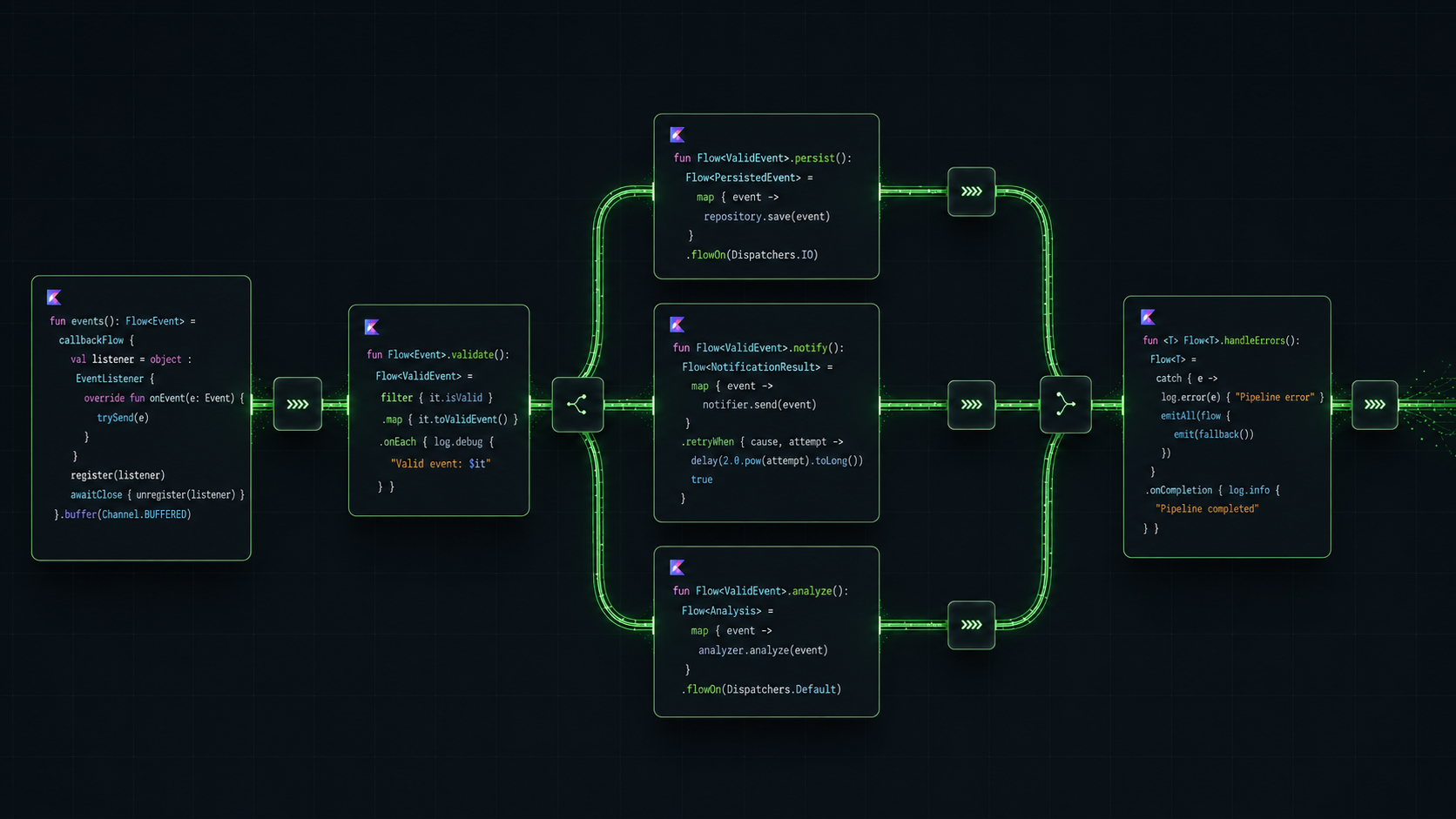
TPipe's builder pattern for configuring pipes and chaining them into pipelines. Here's a line-by-line walk through every setting, what each one actually does, and how the control flags work. Real code, no manifesto.
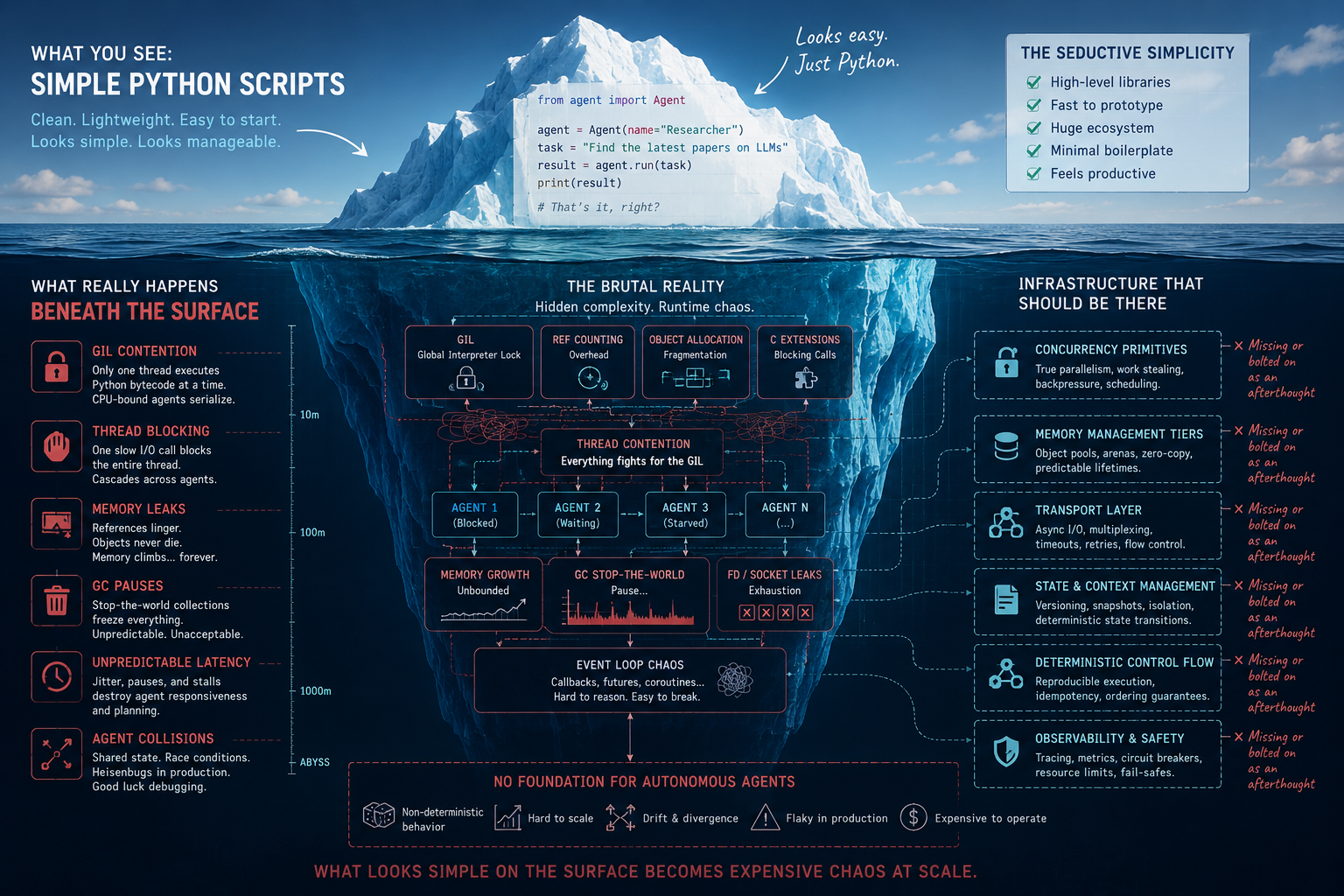
Every framework in this space calls itself an agent framework. None of them are. Not in the way that matters for production systems that run headlessly, at scale, on real infrastructure. The difference is architectural, and it starts with a single constraint: Python cannot compile to a native executable.
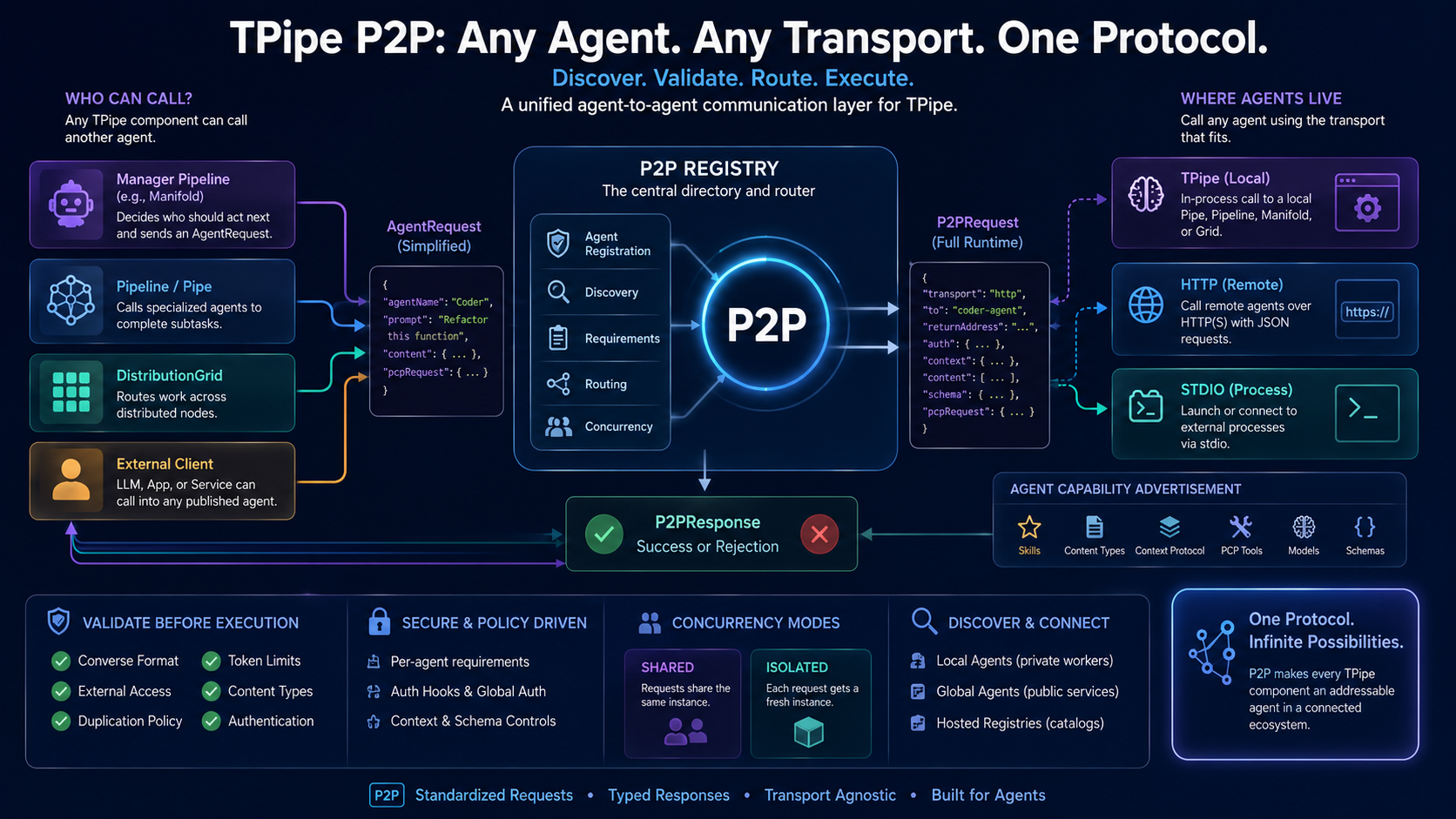
The industry claims peer-to-peer everywhere. None of it is. Here's what true P2P requires, why the gap is architectural and not solvable by iteration, and why the industry gets there eventually — one way or another.
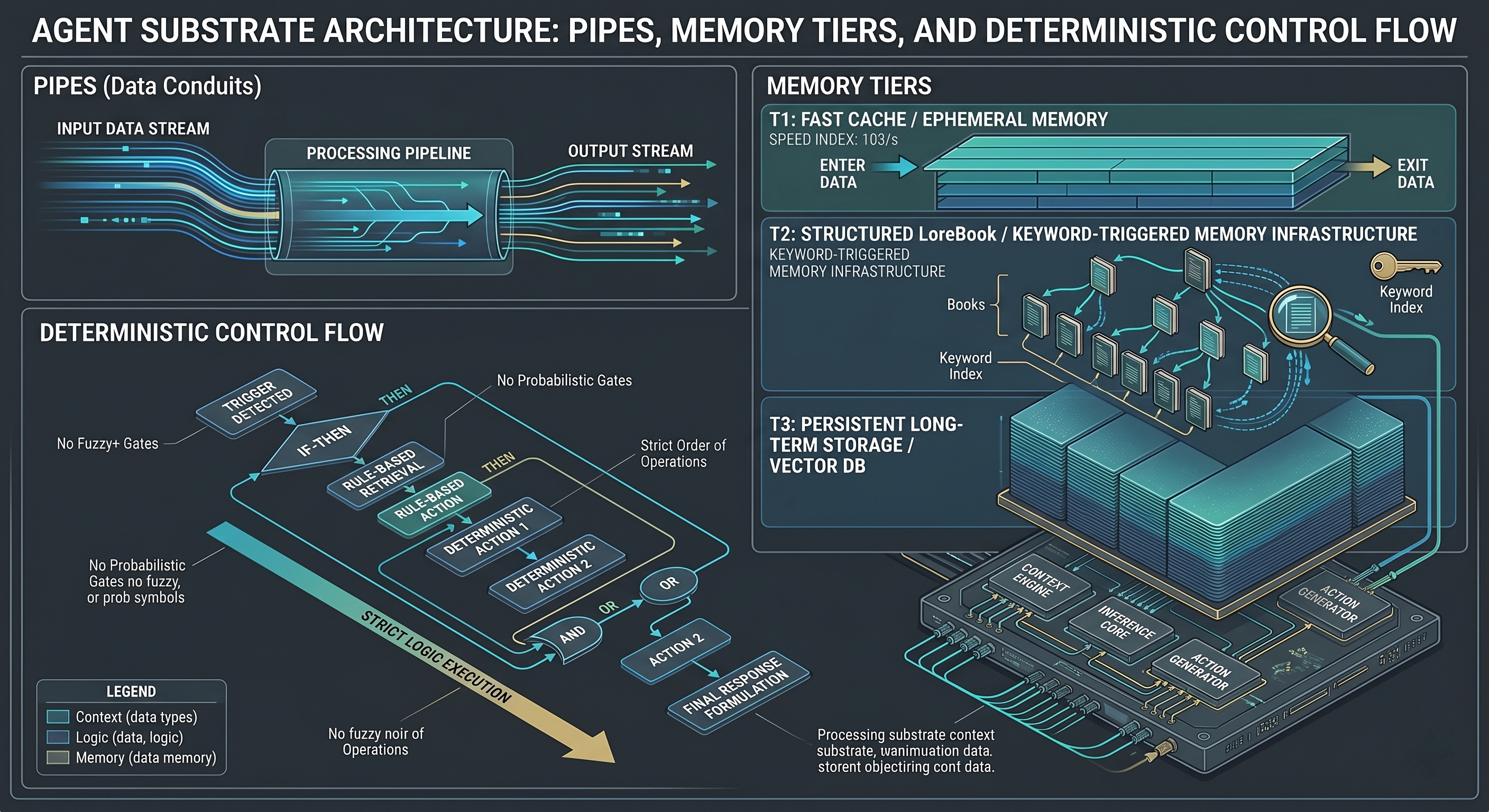
Headless agents run without human input at runtime, making decisions and taking action in the background while chatbots wait for someone to ask them something. Here's what that actually means in practice, using Autogenesis as the proof of concept.
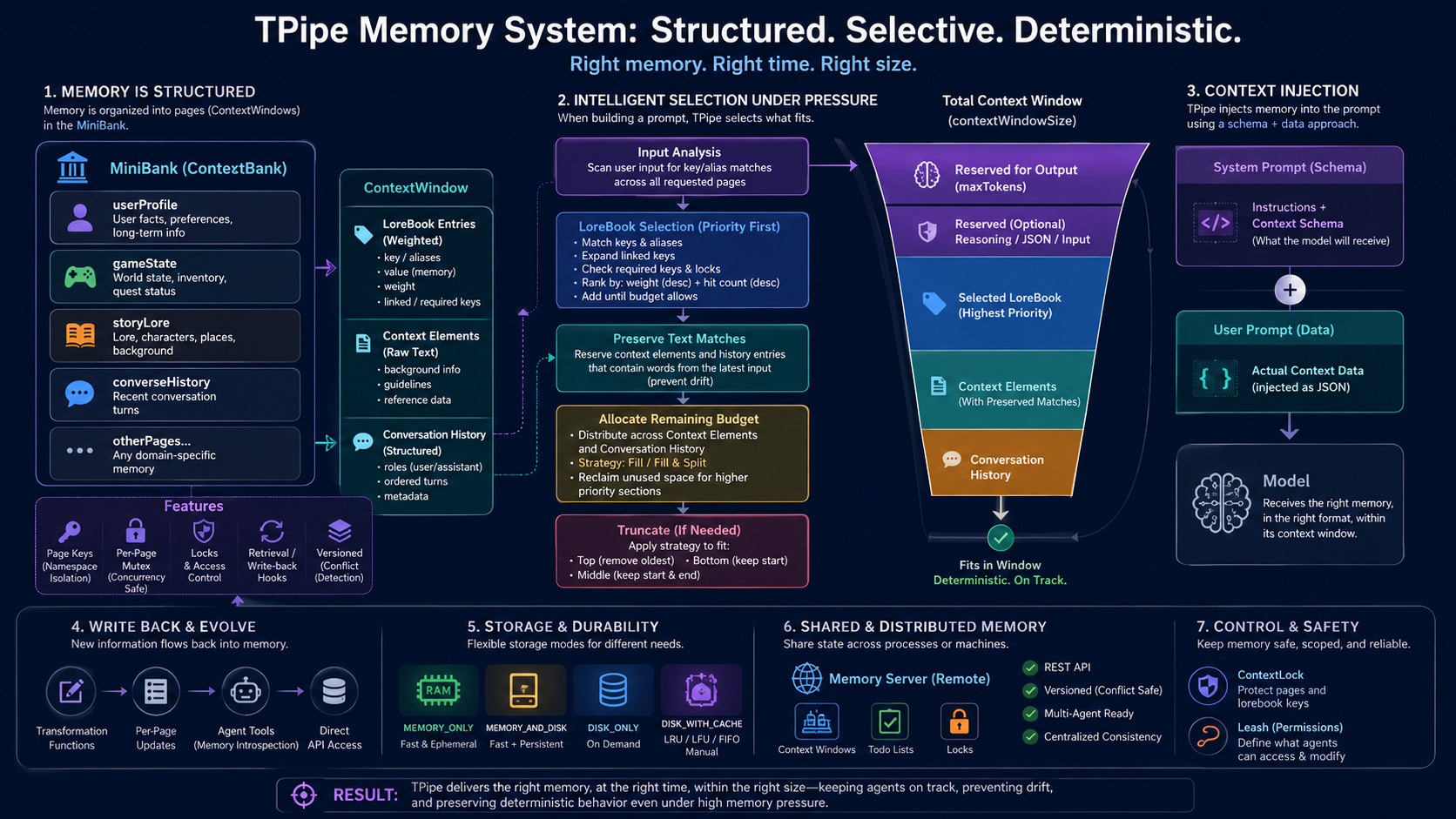
Learn why TPipe's keyword-triggered LoreBook memory system is architecturally superior to RAG and probabilistic approaches for enterprise AI deployments.
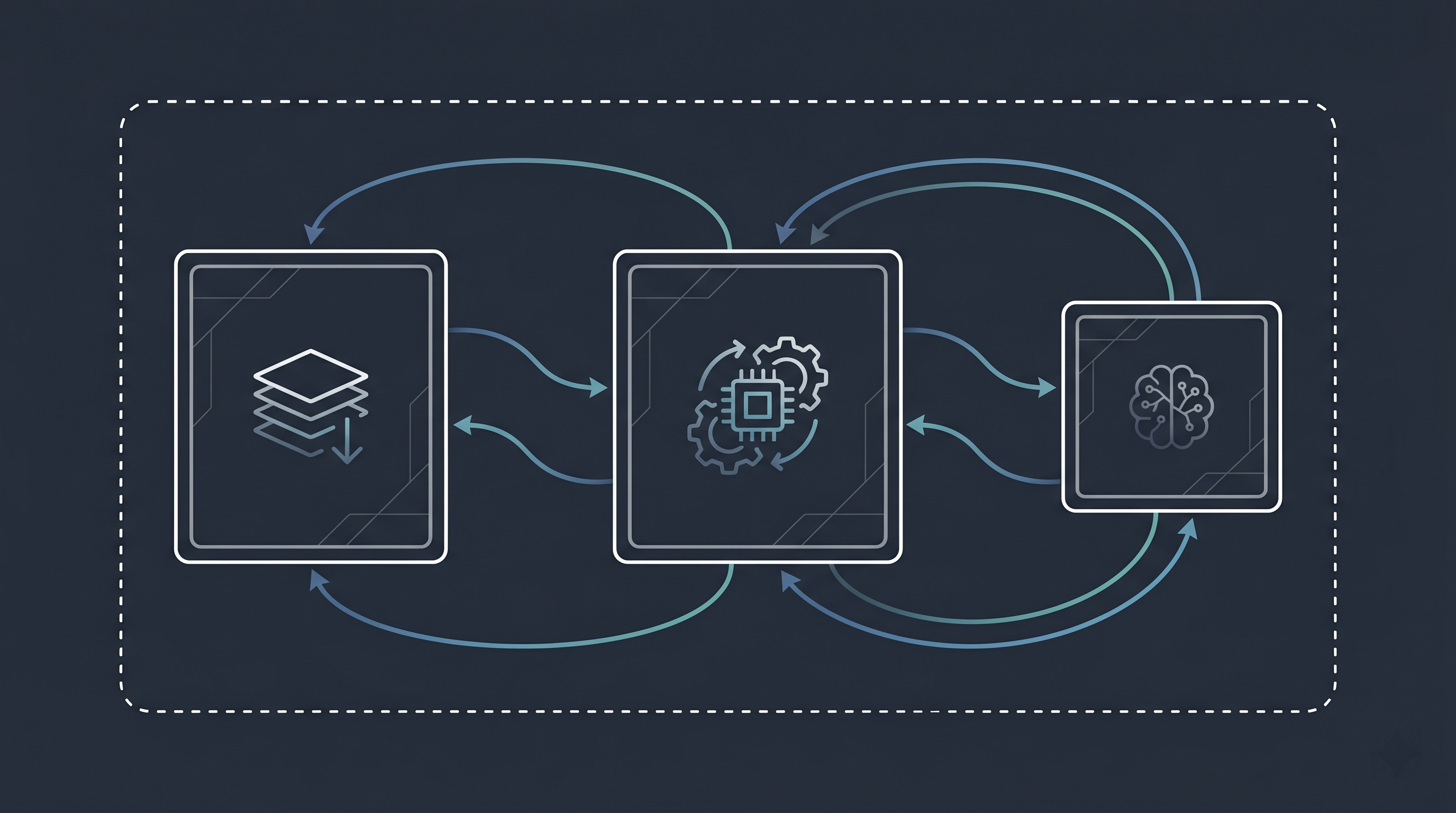
Learn why the LLM-as-brain paradigm fails at scale and how agent substrates provide a more reliable, auditable architecture.
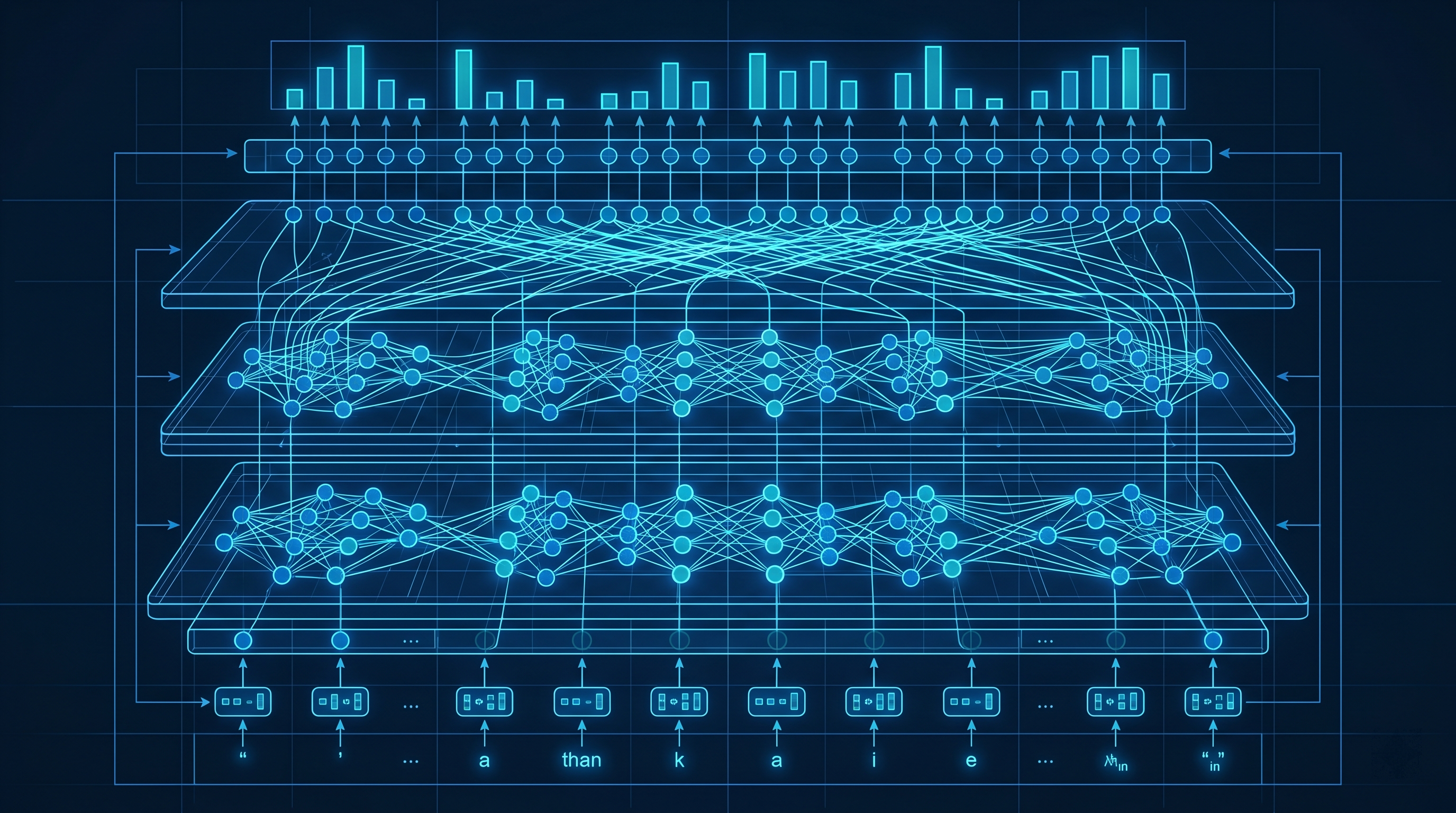
An accessible deep-dive into how large language models work — tokenization, attention, training, and why they're prediction engines, not sentient agents.